(Post author: Dr Shruti Sharma)
Venue: SVKM’s NMIMS Indore
Date: 1st May 2026
1. Introduction
The COMPUTE Regional Event 2026 was successfully organized at SVKM’s NMIMS Indore on 1st May 2026. The event served as a platform for educators, researchers, and academic leaders to engage in meaningful discussions on Computer Science Education (CSEd), with a focus on innovation, collaboration, and research opportunities.
2. Objectives of the Event
- To promote research in Computer Science Education
- To encourage collaboration among academic institutions
- To discuss challenges in curriculum design and pedagogy
- To build a regional network aligned with ACM India COMPUTE
3. Facilitators
The sessions were facilitated by:
- Dr Neeraj Goel (IIT Ropar)
- Dr Deepti Reddy (MPSTME, SVKM’s NMIMS Mumbai)
Both facilitators brought deep expertise in CSEd research, pedagogy, and academic collaboration frameworks.
4. Participation Details
A total of 27 participants attended the event, representing government and private institutions across Indore.
The diversity of participants contributed to a rich exchange of ideas and experiences in teaching and research practices.
5. Session-wise Details
Session 1: Inaugural & Context Setting
The event commenced with a welcome address and introduction to the ACM India COMPUTE initiative.
- Overview of the importance of Computer Science Education research
- Need for regional collaboration among educators
- Setting expectations for interactive and outcome-driven discussions
Session 2: Research Opportunities in CSEd
Facilitated by Dr. Neeraj Goel
Key focus areas:
- Emerging research domains in Computer Science Education
- Identifying problem statements in teaching-learning processes
- Approaches to publishing in CSEd conferences and journals
- Importance of evidence-based teaching practices
Outcome:
Participants gained clarity on how to initiate and structure research in CSEd.
Session 3: Pedagogy, Curriculum & Innovation
Facilitated by Dr Deepti Reddy
Key discussions included:
- Innovative teaching methodologies in computing
- Designing industry-relevant curriculum
- Addressing student engagement and learning challenges
- Integration of active learning and project-based approaches
- Structuring the paper with key requirements and related possible topics
Outcome:
Participants explored practical strategies to enhance classroom effectiveness and identified the possibilities of research in this segment.
Session 4: Interactive Discussion & Working Groups
This session focused on collaborative engagement among participants.
Activities included:
- Groups were formed based on the 5 given themes from the instructor to find the challenges and possibilities in research
- Sharing of ideas from each peer was discussed
- Identification of common problem areas in CSEd
- Brainstorming potential collaborative research topics
Session 5: Closing & Way Forward
- Summary of key insights from all sessions
- Presentations by all groups on their respective themes with their topics happened
- Encouragement for participants to engage in research and community-building activities
7. Key Highlights
- Expert facilitation by academicians from premier institutions
- Active participation from 27 educators
- Strong focus on collaborative and discussion-driven learning
- Networking across government and private institutions
- Practical insights into research and pedagogy in CSEd
8. Photos & Documentation
Event Glimpses
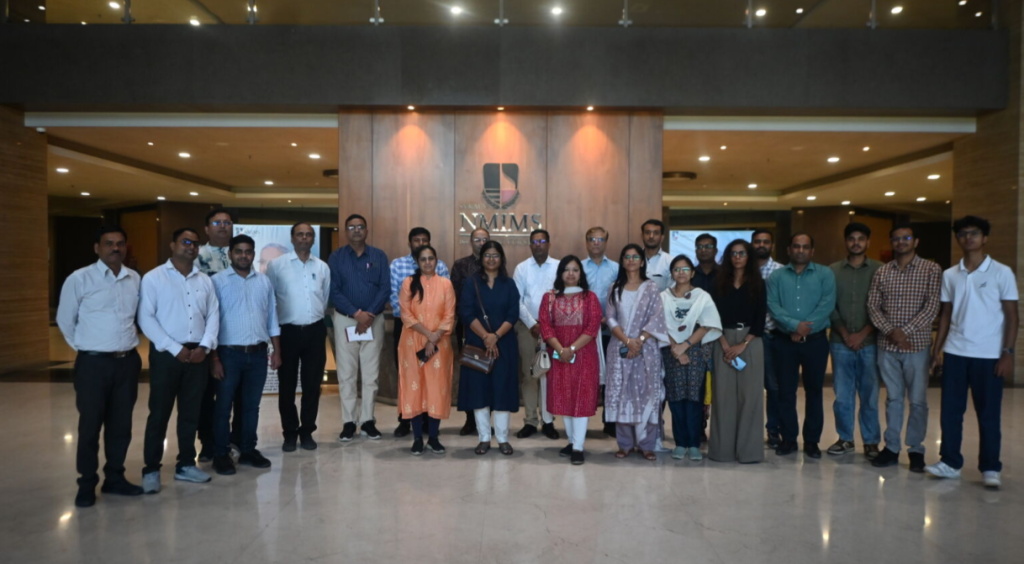
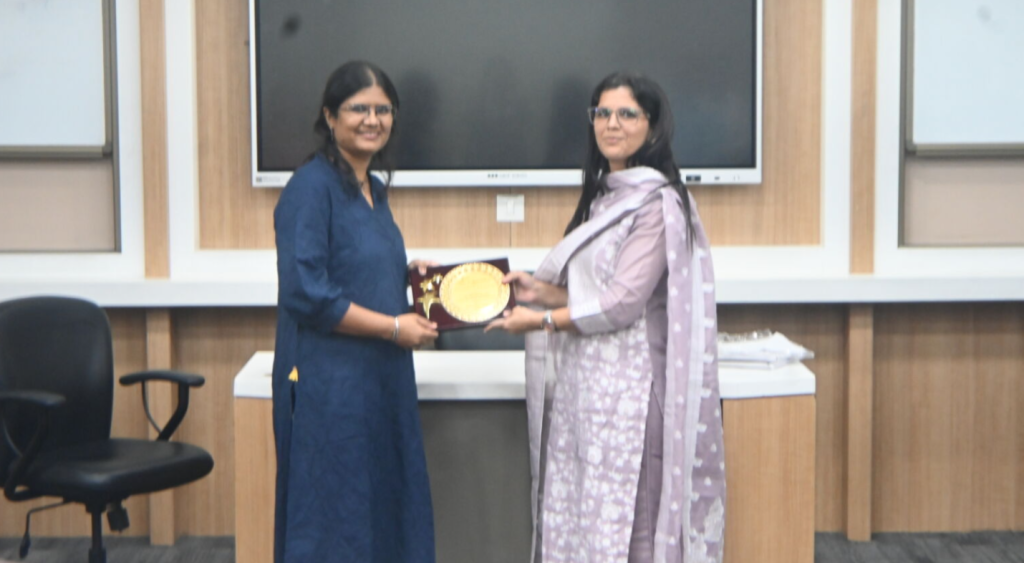
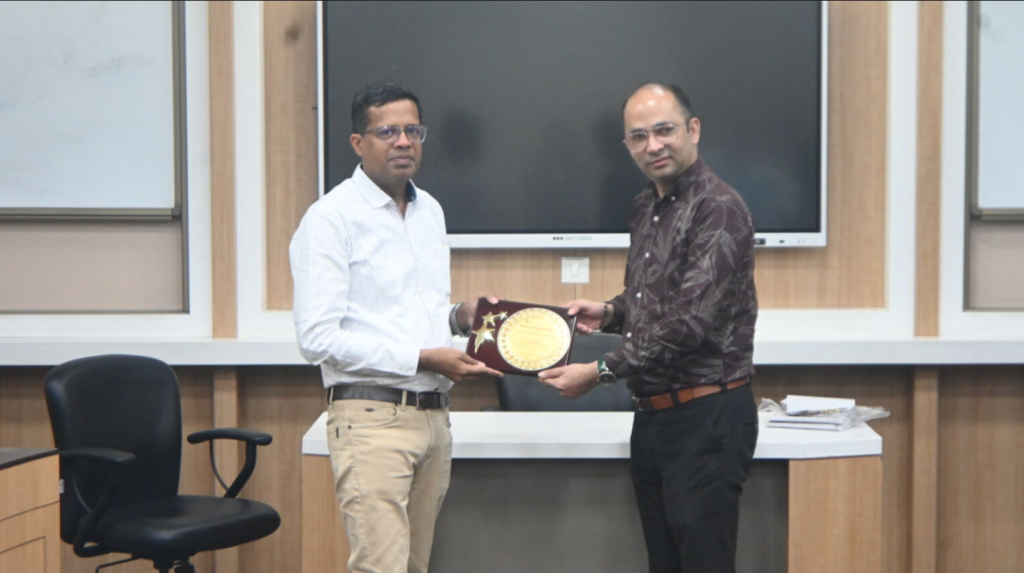
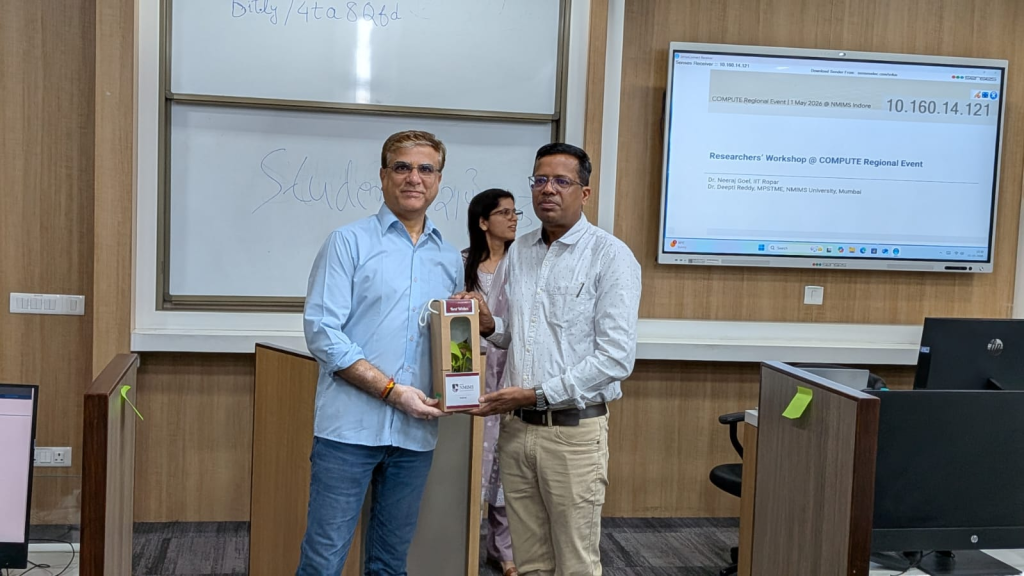
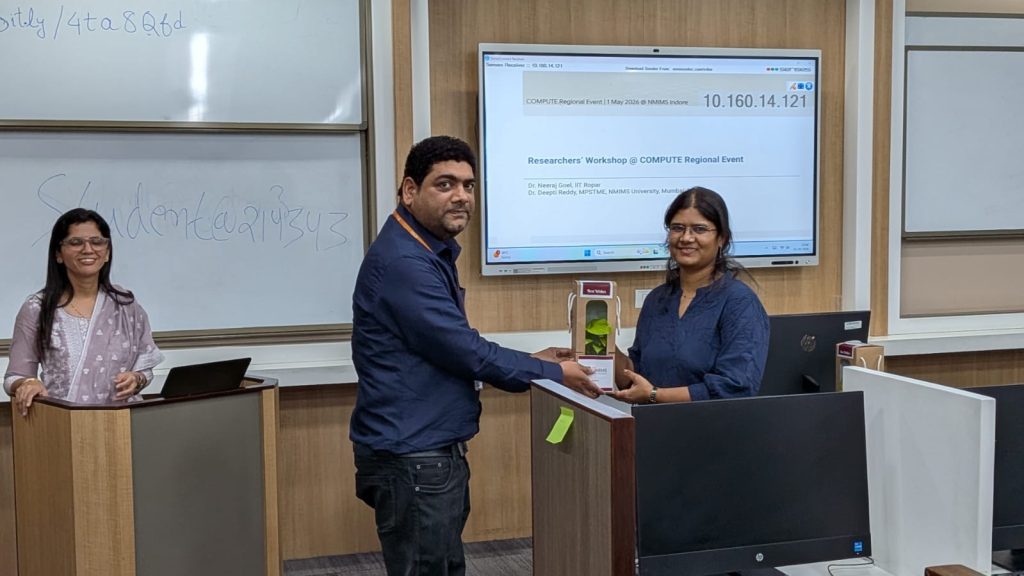
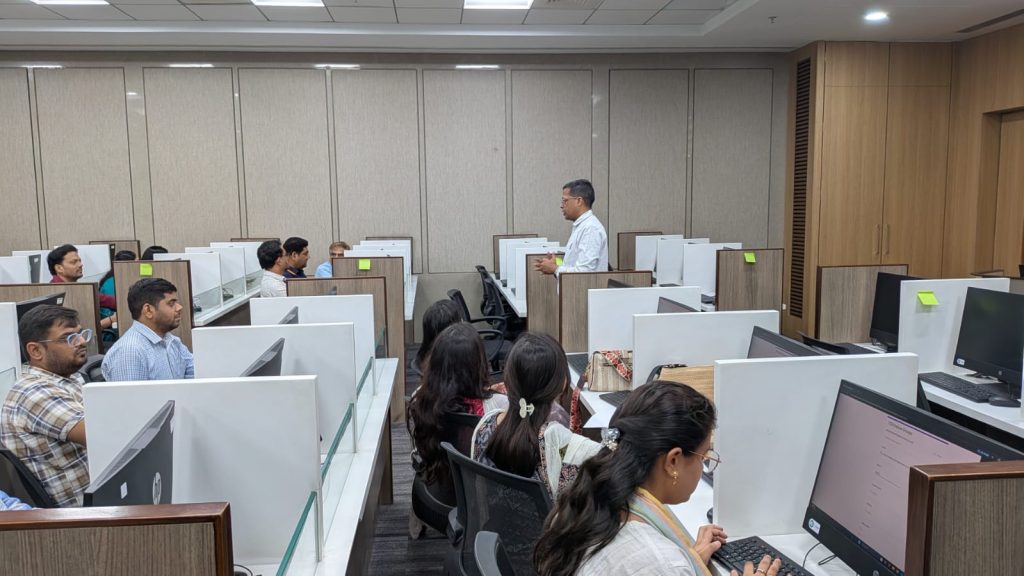
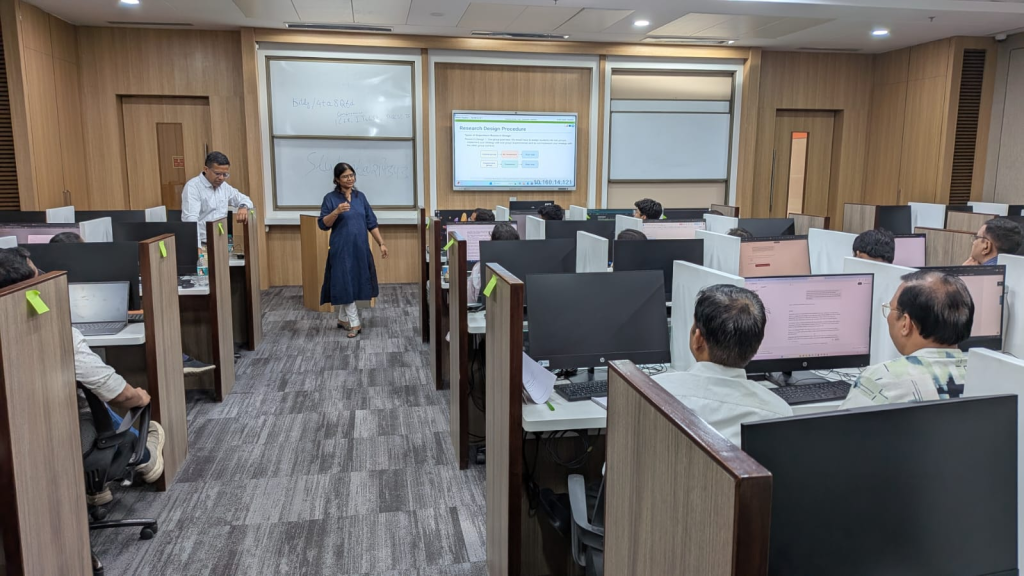
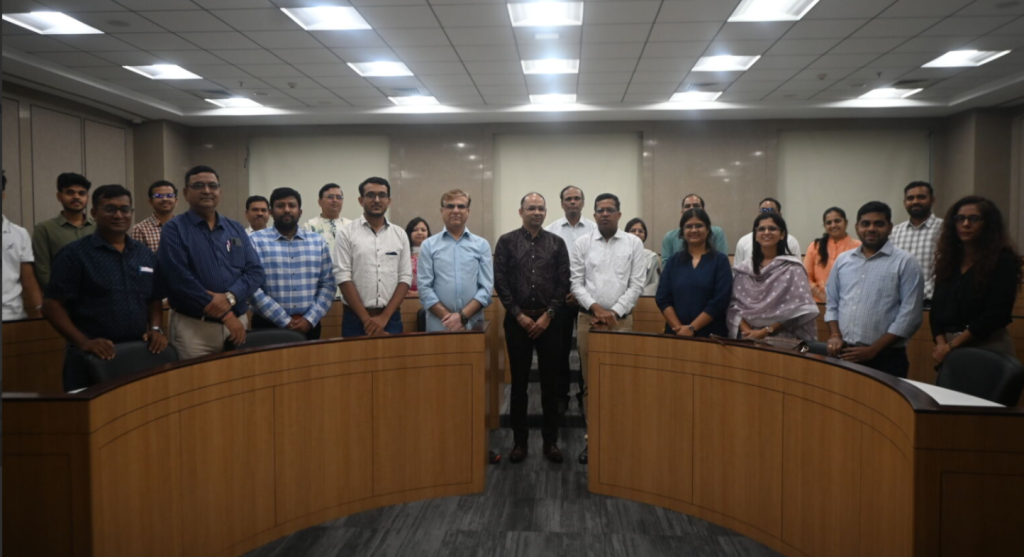
Description:
- Interactive sessions led by facilitators
- Presentations by participants on various themes
- Knowledge-sharing moments during sessions
- Idea sharing and brainstorming
10. Conclusion
The COMPUTE Regional Event 2026 at NMIMS Indore was a successful and impactful initiative. With 27 participants, expert facilitation, and collaborative discussions, the event significantly contributed to strengthening the ecosystem of Computer Science Education in the Indore region.
The organizing team extends sincere gratitude to the facilitators, participants, and institutional leadership for their support and contribution.